In the early 1990s, Reading FC was at a crossroads. After a series of lackluster seasons, the club found itself struggling in the lower tiers of English football. However, the appointment of Alan Pardew as manager in 1999 sparked a revival that would change the trajectory of the club for years to come.
Pardew, who had previously played for Reading, returned to the club with a wealth of experience and a clear vision. He understood the importance of blending youth with experience, fostering a competitive spirit that resonated throughout the squad. Under his leadership, the club began to see a resurgence, both in performance and in fan engagement. The Royals started to play an attractive brand of football that not only entertained but also yielded results.
One of the key aspects of Pardew's philosophy was his commitment to developing young talent. During his tenure, several academy graduates emerged as key players for the first team. Stars like Nicky Shorey and Michael Gilkes became mainstays in the squad, embodying the club's ethos and connecting with the fanbase. This focus on youth development not only provided the team with fresh legs but also instilled a sense of pride among supporters who saw their local talent flourish on the pitch.
The 1999-2000 season saw Reading finish fourth in the Second Division, narrowly missing out on automatic promotion. However, the foundations laid by Pardew were too strong to ignore, and the following seasons saw the club steadily climb the ranks. The team's fighting spirit and tactical acumen became hallmarks of Pardew's management style.
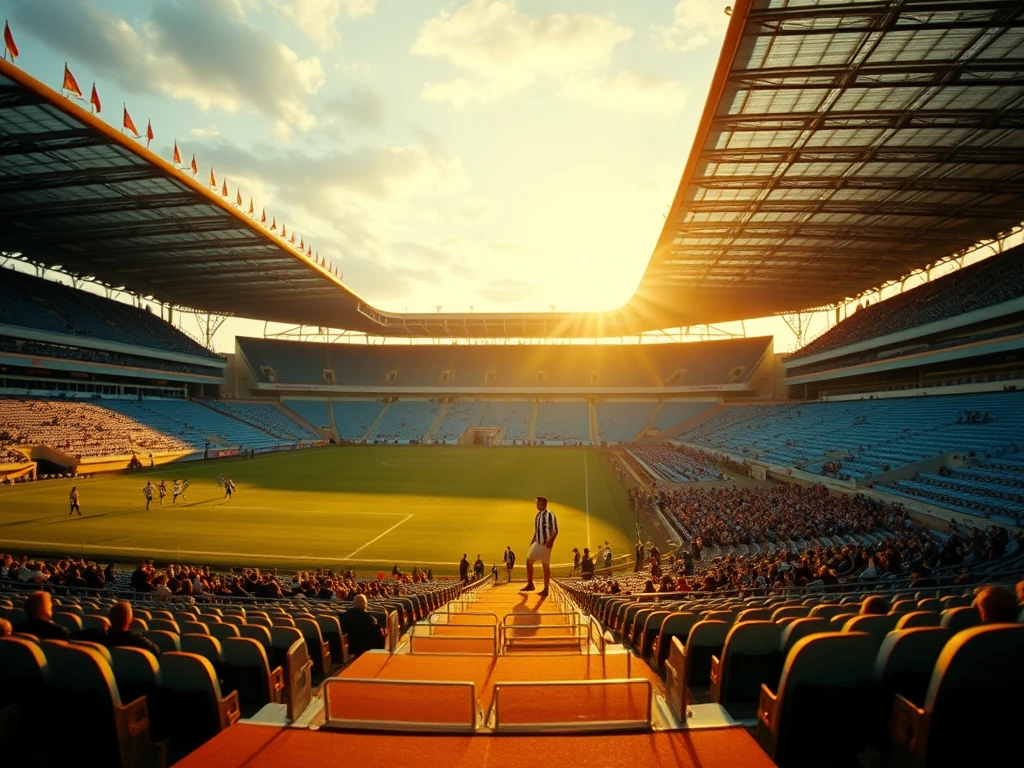
Another facet of Pardew's tenure was his ability to galvanize the fanbase. The Royals' supporters began to flock back to the Madejski Stadium, eager to witness the resurgence of a team that was starting to play with confidence and flair. The atmosphere during home matches was electric, a far cry from the subdued gatherings of previous seasons. The unity between players and fans became a key part of Reading's identity during this era.
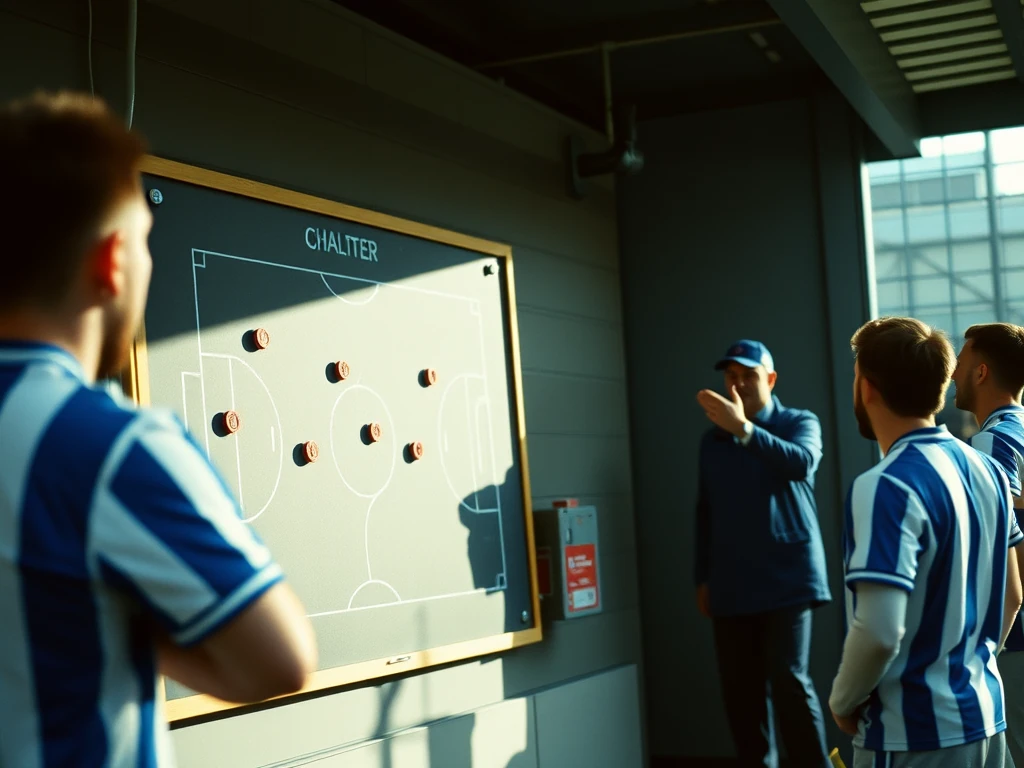
Pardew's tenure reached a pinnacle in the 2001-02 season when Reading finished second in the Second Division and secured promotion to the First Division. This achievement not only elevated the club's status but also reinforced the belief that Reading could compete at higher levels. The tactical changes and player development strategies implemented by Pardew set the stage for future successes, laying down a legacy that would be built upon by his successors.
The revival of Reading FC under Alan Pardew in the 1990s was not merely about results on the pitch; it was about re-establishing the club's identity and reconnecting with its roots. The emphasis on youth, coupled with a passionate fanbase and a clear tactical vision, transformed The Royals into a competitive force in English football. As the club continues to handle its path in the changing landscape of the English game, the lessons learned and the successes achieved during this major era remain a cornerstone of Reading's proud history.