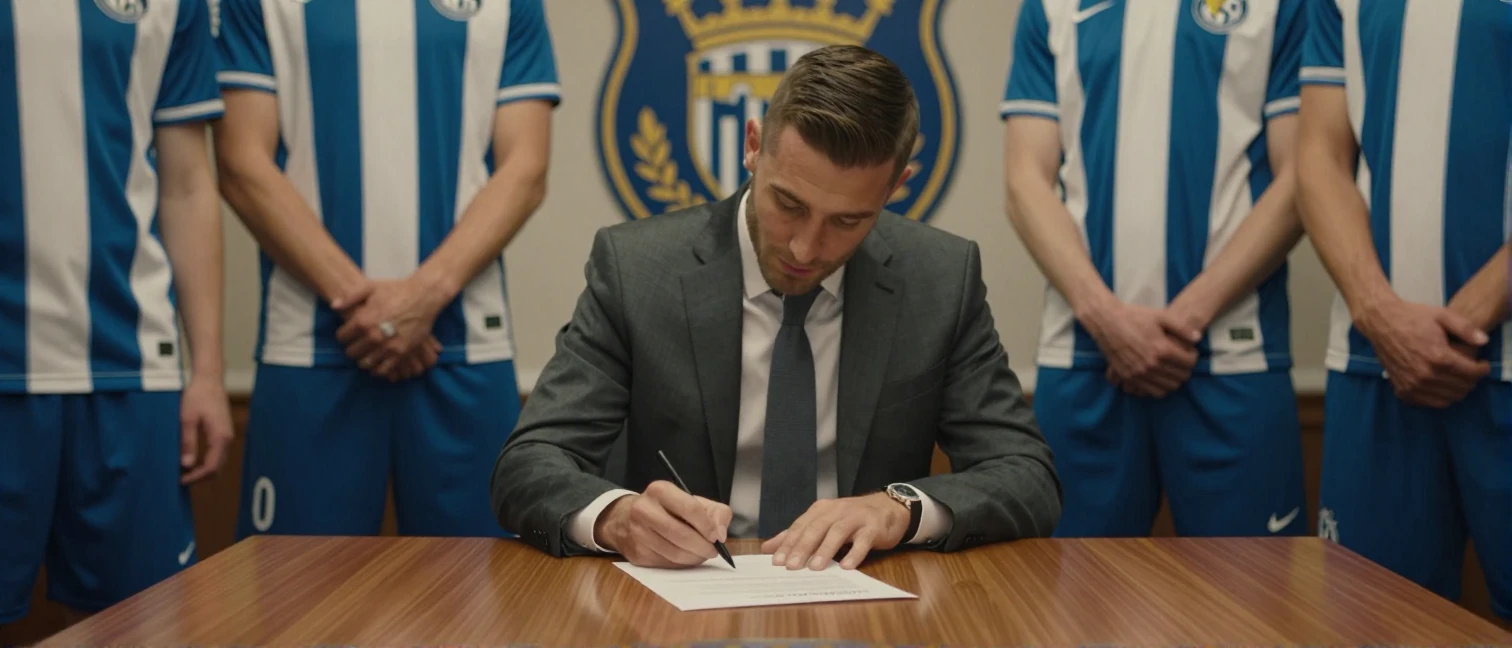
Reading have confirmed Paul Coleman as the club's new assistant manager, a move designed to add experience to a side currently 12th in League One with 63 points after 46 games (16W‑15D‑15L) and a recent 0‑1 defeat to Blackpool on 2026‑05‑02.
Coleman, 38, spent eight seasons as a midfielder for Reading, making over 250 appearances and scoring 27 goals. After hanging up his boots, he earned his UEFA A licence and served as a youth coach at the club’s academy. His deep knowledge of the Royals’ culture and his recent stint as a first‑team scout make him a logical choice to support head coach Mark Bowen.
The Royals have struggled for consistency, posting a recent form of 0W‑2D‑3L (LLDDL) and sitting four points behind the relegation‑avoidance line. Adding Coleman could tighten the midfield’s work‑rate and help the team improve its defensive record - currently 60 goals conceded, leaving a modest +4 goal difference. With the title race 40 points behind leaders Lincoln, any boost in organization is welcome.
Coleman will report directly to Bowen, handling set‑piece routines and overseeing the transition of academy prospects to senior football. His familiarity with the club’s youth pipeline means he can fast‑track talents like 19‑year‑old striker Sam Smith, who has already netted five league goals this season. The duo plans to introduce a more aggressive pressing style, hoping to turn the recent string of losses into draws and wins.
Reading need to claw back points quickly; a single win could lift them out of the bottom half of the table. With 64 goals scored and 60 conceded this campaign, the gap is narrow. If Coleman’s influence improves defensive shape, the Royals could convert some of those narrow defeats into draws, easing the pressure as the season winds down. Fans will be watching closely to see whether the new coaching dynamic translates into better results before the final fixtures.
Looking ahead, the club aims to finish higher than 12th and close the 40‑point gap to the leaders. The appointment signals a commitment to stability and internal development rather than splashing big money on transfers. As the transfer window approaches, Coleman’s eye for talent may prove vital in securing affordable signings that fit the team’s style. The next few weeks will reveal whether this strategic shift can spark a late‑season revival.